
Compare Local Contractors for Reliable Pool Fencing Services
Compare local contractors for pool fencing to define project scope, verify experience, and set clear expectations in writing for a successful installation.
Pool fencing projects typically include installing barriers that surround swimming pools to meet safety standards and prevent unauthorized access. This work can involve selecting appropriate fencing materials, designing the layout to fit the property’s dimensions, and ensuring that the installation complies with local regulations. Contractors may also handle additional features such as gates, latches, and accessories that enhance both safety and functionality. Clarifying the scope of work upfront helps property owners understand what is included, whether it’s just the fencing or additional components, and ensures the project aligns with specific safety requirements and aesthetic preferences.
Defining the scope of a pool fencing project is essential for setting clear expectations and avoiding misunderstandings. Property owners should work with contractors to specify details such as the type of fencing material, height, gate placement, and any customization needed. It’s also important to verify that the contractor has experience working with similar projects and understands local building codes. Having these details in writing provides a reference point throughout the project and helps ensure that the work performed meets the desired standards, reducing the risk of surprises or unmet expectations.
When comparing service providers, property owners can consider factors such as the contractor’s experience with pool fencing, reputation within the community, and the scope of services offered. It’s useful to ask for references or examples of past work to gauge quality and reliability. Additionally, reviewing the details of each contractor’s proposal-such as the scope of work, materials used, and project approach-can help identify which service providers are best suited for the specific needs of the property. Taking the time to compare local contractors carefully supports making an informed decision that aligns with safety standards and personal preferences.
Compare local contractors by outlining your priorities, verifying experience, and setting clear, written expectations.
- Compare Contractor Experience - Review the backgrounds of local contractors to ensure familiarity with pool fencing projects.
- Define Project Scope Clearly - Outline specific fencing requirements and expectations to avoid misunderstandings.
- Verify Credentials and References - Check references and past work to assess the quality and reliability of service providers.
- Document Agreements in Writing - Ensure all project details, responsibilities, and expectations are confirmed in a written contract.
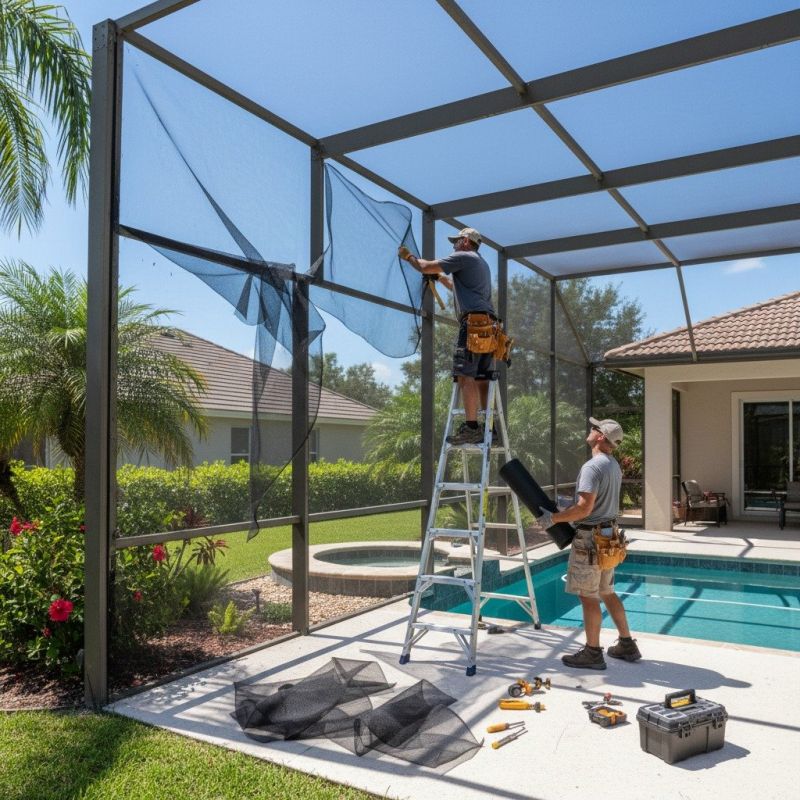
Clearly describe your pool fencing project to help compare service providers, verify experience, and set clear expectations.
- Verify that the fencing meets local safety standards and regulations. - Ensure contractors understand and can implement required safety features and height restrictions.
- Assess the durability and material options of the fencing proposed by local contractors. - Look for options that are weather-resistant and suitable for pool environments.
- Confirm that the scope of work includes installation, finishing, and any necessary hardware or accessories. - Clarify what is included to prevent misunderstandings during project planning.
- Review the experience and previous work of local service providers in installing pool fencing. - Request examples or references to gauge quality and reliability.
- Discuss and document the scope, materials, and expectations clearly in writing before work begins. - A detailed agreement helps ensure all parties are aligned on project details.
- Compare different local contractors based on their expertise, scope offerings, and communication clarity. - Use detailed information to choose the best service provider for the project.
Compare local contractors' experience and clarify project scope to ensure your pool fencing meets expectations.

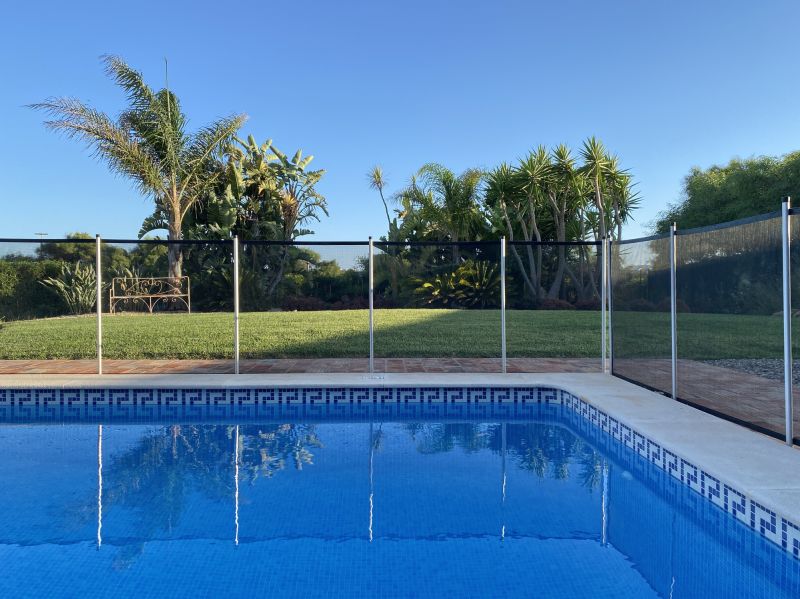

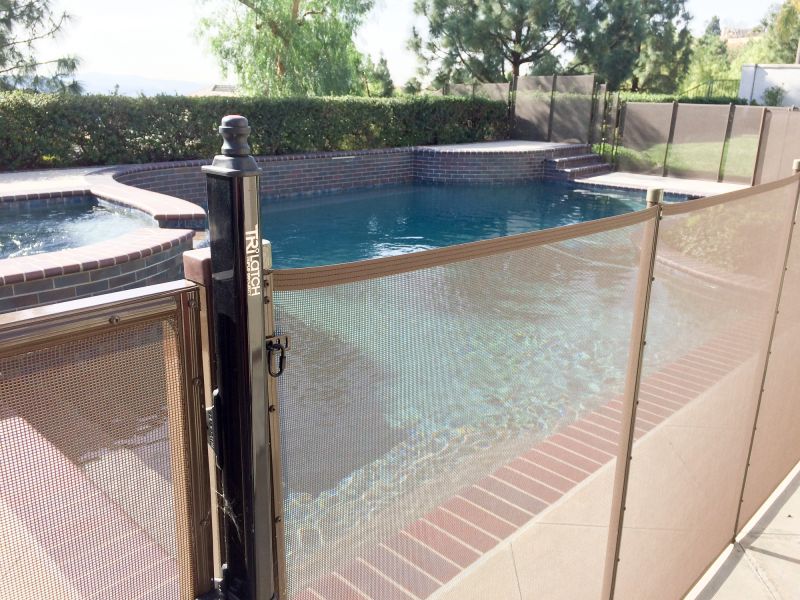
Learn how to compare and define your pool fencing scope clearly while verifying contractor experience and setting expectations in writing.
- Material Specifications - Clearly define the types of fencing materials that meet safety and durability requirements.
- Design and Style Preferences - Specify the desired fencing design, height, and aesthetic considerations to match property needs.
- Installation Scope - Outline the extent of fencing installation, including boundaries, gates, and access points.
- Experience and Qualifications - Verify that local contractors have relevant experience in pool fencing projects.
- Written Agreement - Ensure all scope details, expectations, and responsibilities are documented in a formal agreement.
When comparing contractors for pool fencing, it’s essential to evaluate their experience with similar projects. Service providers who have a proven track record working on pool fencing installations can better anticipate common challenges and adhere to safety standards. Asking about the types of fencing they have installed, the materials they are familiar with, and the complexity of past projects can help gauge their familiarity with the specific requirements of pool enclosures. An experienced contractor is more likely to understand local regulations and best practices, leading to a smoother installation process.
A clear, written scope of work is a crucial element when assessing potential contractors. This document should outline the specific tasks involved, including fencing materials, design specifications, and any additional features or accessories. Having a detailed scope helps prevent misunderstandings and ensures that both parties have aligned expectations. When reviewing proposals or estimates, look for comprehensive descriptions that specify what is included and what may be considered extra. This clarity can serve as a foundation for effective communication throughout the project.
Verification basics are important to consider when evaluating pool fencing contractors. While formal licensing and certification are not the focus, it’s valuable to verify the contractor’s reputation and reliability through references or reviews. Asking for examples of completed projects can provide insight into their workmanship and professionalism. Additionally, confirming that the contractor adheres to safety standards and local codes can help prevent potential issues. A reputable service provider should be willing to share references or testimonials from past clients who can speak to their experience and quality of work.
When comparing options, it’s helpful to evaluate how well each contractor understands your specific needs and how thoroughly they communicate their approach. Focus on how clearly they explain their process, the materials they recommend, and the steps involved in the installation. Consider their responsiveness and willingness to answer questions about the scope and procedures. By paying attention to these aspects, homeowners can make informed decisions based on the contractor’s expertise, transparency, and professionalism-factors that contribute to a successful pool fencing project.
Ask contractors to provide written scope and details to ensure clear, consistent expectations for your pool fencing project.
- Scope of Work - What specific fencing materials and features do the local contractors include in their scope?
- Experience and Expertise - How long have the service providers been working on pool fencing projects similar to the desired scope?
- Warranty and Guarantees - What kind of written warranties or guarantees do the local contractors offer for their work?
- Project Expectations - How do the contractors define the project scope and deliverables in their written proposals?
- Comparison Criteria - What key factors should be used to compare the scope and services offered by different local contractors?
What should I consider when choosing a pool fencing contractor? It's important to compare local contractors based on their experience, reputation, and the scope of services they offer. Verifying references and reviewing past work can help ensure the contractor meets your expectations.
How can I define the scope of my pool fencing project? Clearly outline your fencing requirements, including materials, height, and design preferences. Communicating these details in writing helps ensure the contractor understands your expectations from the start.
What questions should I ask potential contractors? Inquire about their experience with similar projects, the types of fencing they install, and how they handle permits or compliance requirements. Asking for detailed proposals in writing can assist in comparing options effectively.
How important is it to verify a contractor’s experience? Verifying experience helps ensure that the contractor understands local regulations and has a track record of quality work, reducing the risk of issues during or after installation.
What should be included in a written agreement with a contractor? The agreement should specify the scope of work, materials to be used, project expectations, and any warranties or guarantees. Having these details documented helps prevent misunderstandings.
Why is it recommended to compare multiple contractors? Comparing different local service providers allows for evaluating their expertise, scope of services, and professionalism, helping to find the best match for your pool fencing needs.
Understanding the key aspects of hiring contractors for pool fencing can help ensure the project meets expectations. Visitors have learned how to define the scope of work, verify the experience of local service providers, and establish clear details in writing. This approach supports making informed comparisons among available contractors, helping to identify those best suited for the specific needs of the project.
To find the right local contractors for pool fencing, using the quote form is a practical step to connect with multiple service providers. It allows for easy comparison of options and provides a foundation for discussing project details directly with interested professionals. Taking this step can help facilitate a smoother process when choosing the right contractor for the job.